Like Every New Yorker, We Wanted to Help
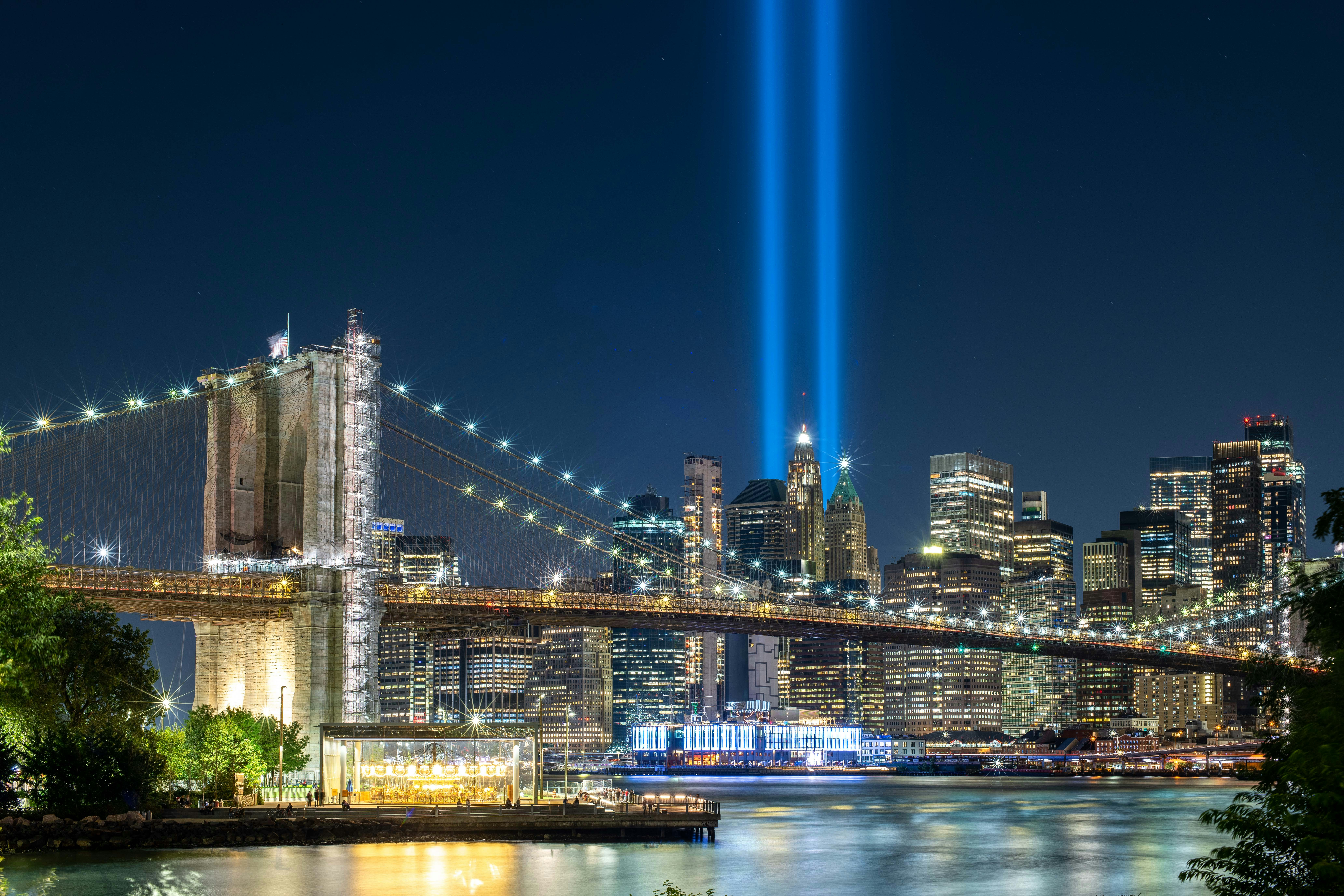
Following September 11, 2001, the mental and emotional crisis support needs of survivors, families, first responders, and communities became clear.
Through the LifeNet helpline, Vibrant Emotional Health expanded its work to support New Yorkers dealing with fear, grief, and trauma. Twenty-five years later, Vibrant’s story offers a look at how mental health support changed after 9/11 and what that experience taught us about responding to people in crisis.
Twenty-five years ago, mental health hotlines were far from a standard part of disaster response.
After the World Trade Center attacks on September 11, 2001, New Yorkers faced an extraordinary need for information, counseling, and emotional support.
Then known as the Mental Health Association of New York City, Vibrant operated LifeNet, a 24/7 hotline launched in 1996 to connect NYC residents with mental health services and support.
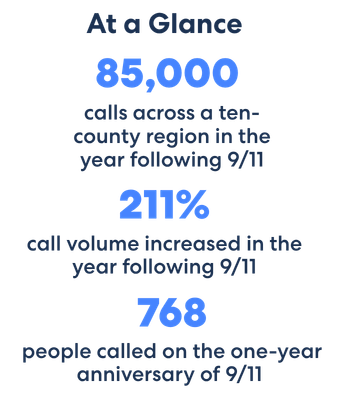
In the year following 9/11, LifeNet answered more than 85,000 calls across a ten-county region. Nearly half were related to the attacks, and call volume increased 211 percent. On the first anniversary, 768 people called, with more than half reporting symptoms of post-traumatic stress.
The team also distributed mental health information throughout the city, including 2,500 teddy bears carrying resources for children at schools near Ground Zero. Over the following year, LifeNet helped coordinate group crisis counseling for roughly 20,000 people in workplaces, schools, and affected communities.
As the need grew, LifeNet’s role expanded. At FEMA’s request, it worked with city and state agencies to help coordinate mental health volunteers, connecting trained counselors with survivors, families, emergency workers, and communities in need.
LifeNet calls offered an important picture of how the attacks were affecting people. Before 9/11, depression was the most common concern. Afterward, post-traumatic stress symptoms, anxiety, and acute stress became more common, accounting for more than one in four calls.
The share of callers with no previous history of mental health treatment also rose from about 40 percent to 55 percent, reflecting how many people were seeking mental health support for the first time.
The interactions also reinforced that the emotional effects of disaster can persist long after the immediate emergency. Drawing on lessons from the Oklahoma City bombing, LifeNet and its partners worked to support longer-term access to treatment rather than treating the response as something that would end within weeks or months.
Over time, LifeNet continued to grow and evolve, becoming part of NYC 988—the largest contact center across the country as part of the 988 Suicide & Crisis Lifeline network. Today, Vibrant is honored to run NYC 988 and to be the national administrator of the 988 Lifeline.
While the circumstances and technology have changed, the experience of 9/11 remains an important part of New York’s and the country’s history of responding to people in need of support.
It reminds us how important it is to make help available when communities are facing extraordinary circumstances, reaffirming our mission to connect individuals and families with emotional support and care when, where, and how they need it.
Traumatic events and their anniversaries can bring emotional or psychological responses, including anxiety, grief, distress, sleep disruption, or intrusive memories.
If you are experiencing significant distress or are concerned about someone else, the 988 Suicide & Crisis Lifeline is available 24/7 by call, text, or chat for confidential support. New York City residents can also access local resources and support through NYC 988.

Comments are closed here.